Top 9 Questions Parents Ask About UC – Answered

1. How is UC different from the other residential colleges?
While the colleges all share similarities (such as single occupancy rooms, all meals provided, academic support, intercollegiate activities, etc.), each college has its own unique characteristics. The following factors are some of things you may like to consider that impact on a particular college’s culture:
- College ethos/values
- Size and history of the college
- Make up of the student community
UC has a reputation as a friendly, relaxed and supportive community. Our vibe is generally fairly laid back and we accommodate quite a few regional students. As we accept students from a few different universities, we also have a diverse range of people studying a diverse range of things. We are a non-denominational college. While facilities are not the key reason to choose a particular college, UC is known for having fairly large rooms on average and over two thirds of our rooms have their own ensuites - so even as a first year you are likely to get a really good room if you apply early.
2. Do you accept students from universities other than the University of Melbourne?
We accept students from RMIT, ACU and Monash University as well as The University of Melbourne.
3. What is the security and wellbeing like at University College?
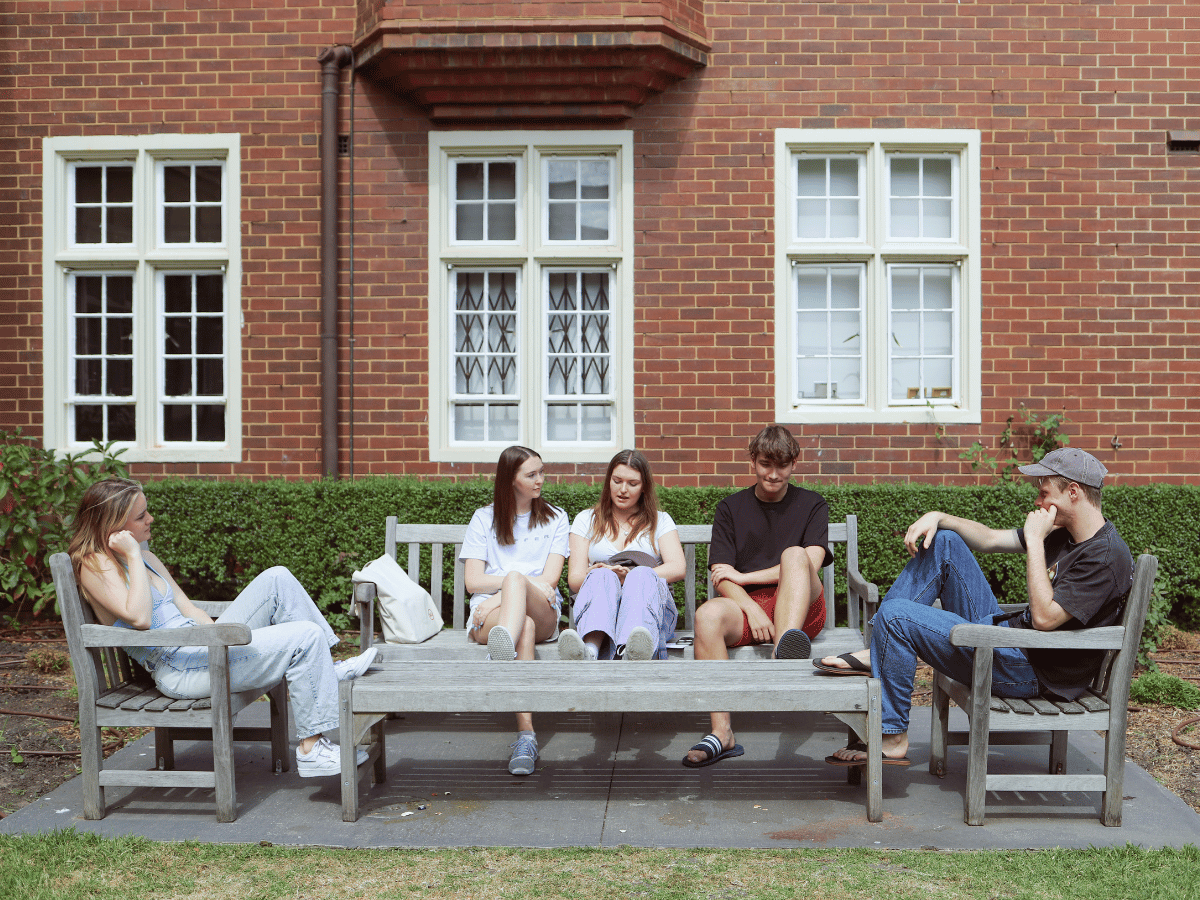
The UC campus is only accessible with a secure, programmed fob, given to students when they arrive at the College. If a student loses their fob, it is deactivated, and a new one re-programmed at a cost to them.
University College is staffed 24 hours a day, 7 days a week, with Youth Support Workers onsite overnight and on weekends when daytime staff are not here. During business hours we have dedicated wellbeing support staff including a Student Wellbeing Coordinator and Dean of Students.
4. Does University College offer scholarships?
UC is a proudly independent residential college, founded on the basis of equity and access for all. We offer a wide range of scholarships as outlined below. The level of financial support varies, but most scholarship recipients receive between $5,000 and $10,000 per year. We also offer some larger scholarships, which have quite specific eligibility criteria. Scholarships are awarded based primarily on financial need, however applicants are also considered in terms of other criteria, including academic performance, location, area of study, indigenous background and more.
Please note, we are a residential college offering accommodation for students (not courses), so you need to have received a provisional offer from University College before submitting a scholarship application for consideration. If you are looking for University of Melbourne scholarships, please visit their website.
5. Where do your students come from?
With diversity comes richness and opportunities to learn from each other. We welcome domestic and international students from different demographics, universities, year levels and degrees. Typically, around 40% of our students are from regional Victoria, 35% from interstate (both metro and regional), 10% Melbourne metro and 15% from overseas
We are one of ten residential colleges linked to the University of Melbourne, but we are independent and non-denominational.
We are home to predominately undergraduate students and can accommodate 340 students in our community
6. Are facilities mixed gender?
We started as a women's college in the 1930s but have been mixed gender since the 1970s. All of our shared facilities like bathrooms and common rooms are mixed gender, but students get their own private room. Around two-thirds of our rooms are ensuite rooms which we allocate based on order of application received, with priority given to anyone with a medical or cultural need for one.
7. How does academic support work at University College
Our academic program gives you an extra hand during your studies, supporting your coursework and helping ensure your transition to university learning goes smoothly, improving your chances of success throughout your studies.

Weekly Tutorials
A major benefit of residential colleges is the ability to access tutorial support. We provide tutorials for first-year subjects being studied by four or more people (where possible). These tutorials take place weekly, and are optional for students, although we strongly encourage you to attend, as they have been proven to improve academic performance.
UC students are welcome to attend any tutorial, even if they are not enrolled in the subject. This offers further opportunities to connect with fellow students and learn collaboratively.
Consultation and advice
Students seeking specialised one-on-one assistance or discussion around challenging course material can book a consultation with tutors in a wide area of disciplines.
Such an individualised approach ensures students are guided through the challenging early period of university study within a supportive framework.
Our Dean of Studies is also available for advice and guidance on subject selection, special consideration, course changes or other academic and career related matters.
Professional Development
UC organises various events throughout the year, such as resume writing workshops, advice on enhancing your professional social media profile, conversations with industry professionals and broader networking seminars and dinners.
Students are encouraged to participate in interdisciplinary learning opportunities that are organised throughout the year. This may include lectures, forums and fireside chats hosted by the tutor team.
Collaborative learning
There are lots of collaborative learning spaces around the college. Our library and tutorial rooms are open 24/7, offering great places to study. The Greta Hort Library features computers, scanners, printing facilities and free wifi. You can borrow your core textbooks from our library (rather than needing to purchase them), and there are also lots of non-fiction books, fiction books and periodicals to borrow for leisure reading. There is access to self-checkout facilities, but our librarian and library assistants are also on hand to help you find resources during core business hours.
8. What does the application process look like?
Places are in high demand, so you are advised to apply early and put us as your first preference if you wish to come here.
You do not apply individually to each college – rather your application needs to be completed via the intercollegiate website. Here you will rank the colleges in your order of preference. You may also wish to consider applying for a scholarship after you submit your application.
After you submit your application, if you have put University College as your first preference, we will get in touch for some additional paperwork to be submitted and to arrange an online interview.
Later in the year we will release a round of provisional offers. If you don’t receive an offer in this round, don’t panic, there is often a lot of movement as students find out their university application outcomes around the end of the year, and into January. Some students change their mind about going to university, decide to take a GAP year, or decide to pursue study overseas. This means we are often still filling college places for some time after the first offer round.
9. How do you manage student wellbeing?
Wellbeing support is one of the many benefits at University College that sets us apart from other student accommodation providers. We have a team of 24/7 staff, enabling our residents to access support at any time of day. We also prioritise events and programming targeted at empowering, educating, and connecting our students.
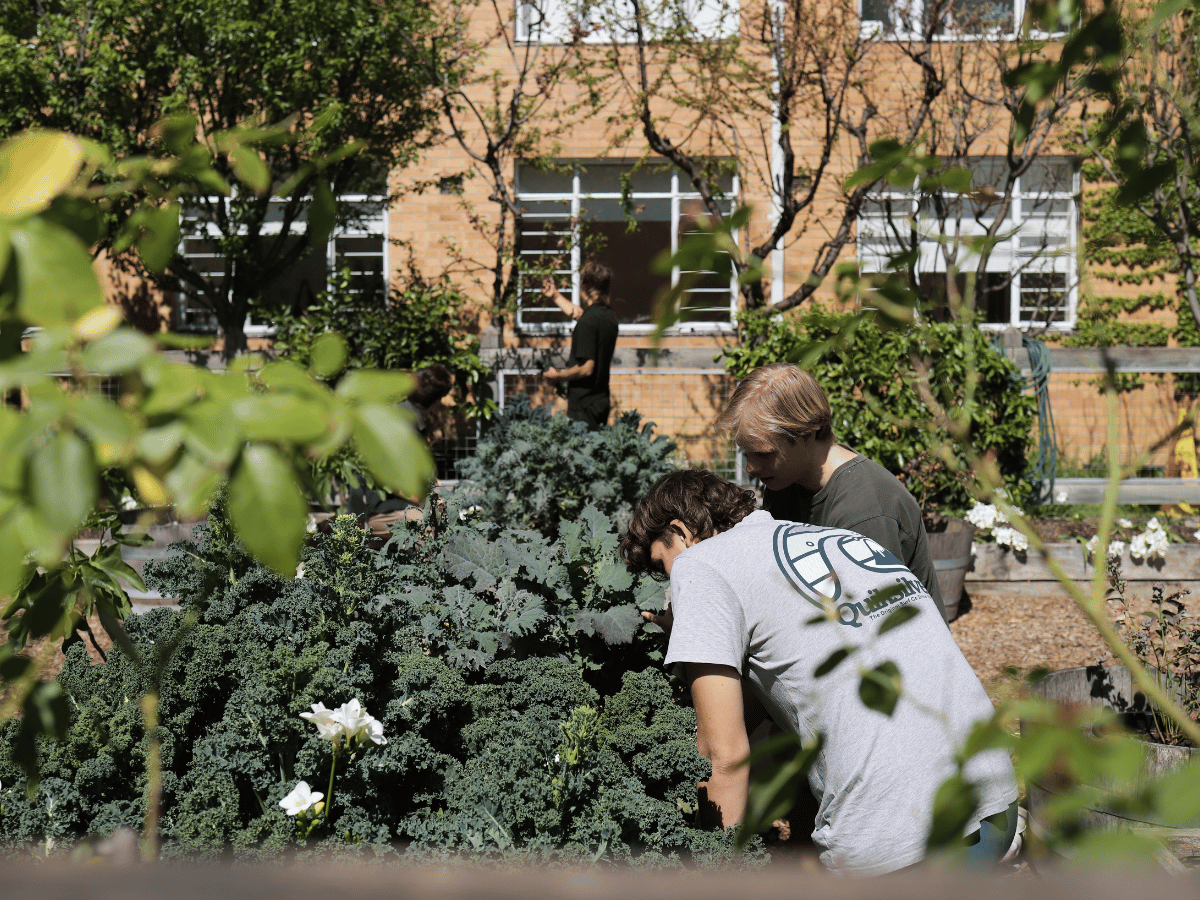
Wellbeing support at UC
- Dedicated wellbeing staff: Our Dean of Students and on-site Student Wellbeing Coordinator provide students with support, counselling and guidance during business hours, with help available for everything from adjusting to college life and exam stress to mental health and relationship concerns.
- Support around the clock: Our team of Youth Support Workers provides after-hours support seven days a week, including overnight and weekend coverage. They’re trained in physical and mental health first aid and are there for everything from wellbeing concerns and emergencies to a friendly late-night chat.
- Student-led wellbeing: Our Student Wellbeing Committee works alongside staff to create opportunities for connection and community through events, activities and initiatives throughout the year, including Wellbeing Week and UC Spirit Week.
- Building skills and resilience: Students receive training in areas including consent, bystander intervention, drugs and alcohol, and how to recognise and respond to issues within the community.
- Supporting physical wellbeing: With access to outdoor spaces, recreation facilities and the University of Melbourne’s gym facilities, students have plenty of opportunities to stay active, get outside and look after their physical and mental wellbeing.